

Woolrec Guide: How Recycled Wool Works and How to Use It Right
Woolrec is what people search when they want recycled wool that performs—warmth, comfort, and durability—without paying for a sustainability story that falls apart in a month. In most contexts, woolrec refers to recycled wool materials and products made by reusing wool fibers through wool recycling processes.
The issue is that recycled wool content often skips the details that decide quality: fiber mixes, processing methods, and what “recycled” actually means on a product page. That gap creates confusion, invites greenwashing, and leads to bad purchases or rejected recycling loads.
This woolrec guide gives you the practical truth: how wool recycling works, what reclaimed wool and shoddy yarn mean in real performance terms, where felted wool is the best fit, and exactly how to recycle wool or buy recycled wool products with confidence.
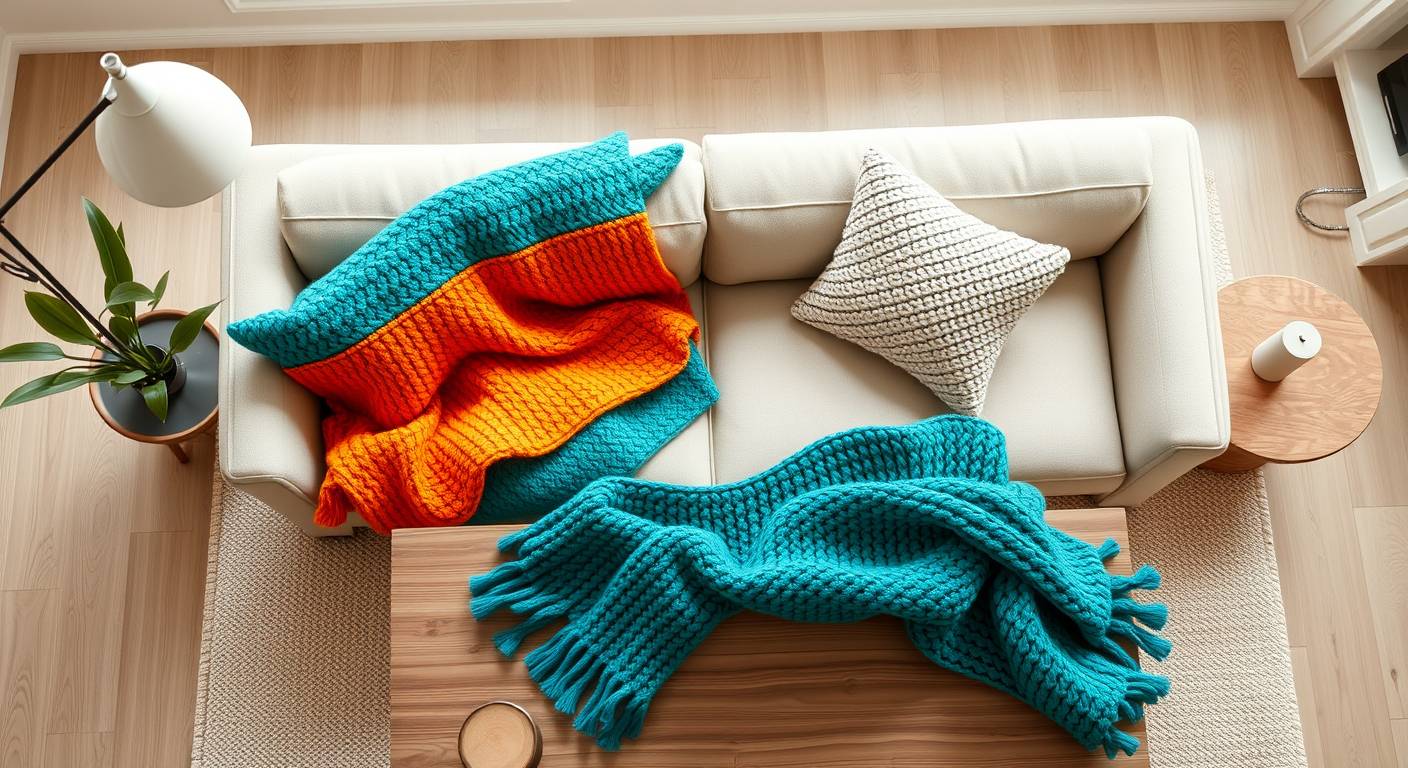 What Is Woolrec? Recycled Wool Explained With Real-World Uses
Woolrec usually refers to recycled wool products and materials created through wool textile recycling, not one universal standard or one guaranteed brand definition.
Key takeaways
- Woolrec most often means recycled wool in practical search usage.
- Recycled wool can become yarn, felted wool, panels, or insulation—each behaves differently.
- Clear composition + build quality matter more than “eco-friendly” language.
Woolrec is best treated as a category label: recycled-wool fabrics, recycled-wool yarns, felted wool products, and bulk-use materials made from recovered wool. That means you should judge woolrec claims the same way you judge any material claim: by what is disclosed and what is testable.
Bold rule: If a “woolrec” product hides fiber percentages or recycled content, it is not being transparent enough to deserve your trust.
A good woolrec page should help you do two things quickly: understand the material and make a decision you won’t regret.
Woolrec Goals That Matter: Recycle Wool or Buy Recycled Wool Products
Woolrec searches are action-driven, and the right advice changes depending on what you’re trying to accomplish.
Key takeaways
- Recycling is about acceptance rules, contamination control, and sorting.
- Buying is about performance, durability, and proof of recycled content.
- The same recycled wool label can still hide big differences in outcomes.
If you want to recycle wool, you need to know what recyclers can actually process and what they reject (blends and bonded parts matter). If you want to buy recycled wool products, you need to match the product to your use case and demand proof that the claim is real.
Practical filter: Recycling decisions start with “what will be accepted.” Buying decisions start with “what will last.”
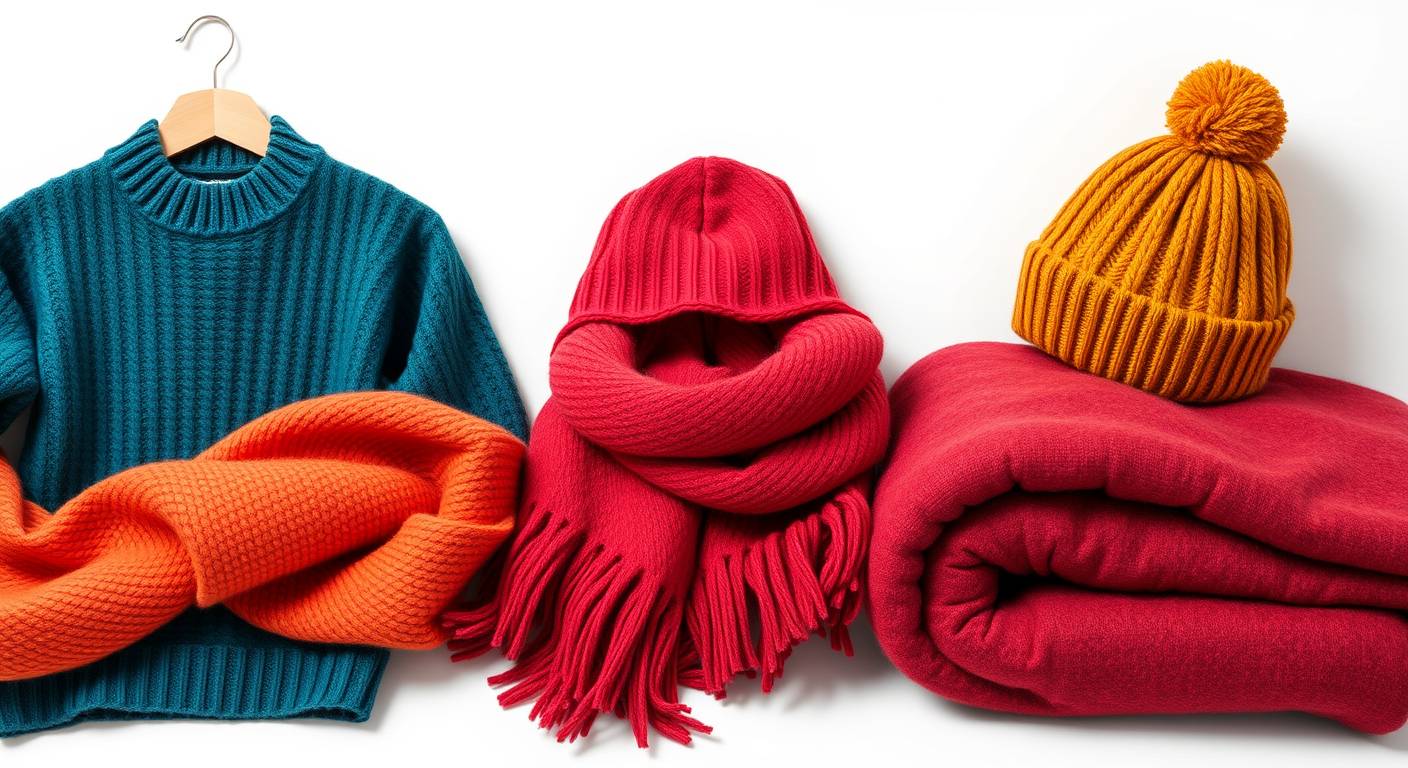 How Woolrec Works: Wool Recycling Process From Sorting to Finished Material
Wool recycling is the engine behind woolrec, and the wool textile recycling steps determine quality, comfort, and durability.
Key takeaways
- Sorting controls quality more than any later step.
- Mechanical recycling can shorten fibers, affecting strength and pilling.
- Outputs vary: reclaimed wool yarn, shoddy yarn, felted wool, and nonwovens.
1) Sorting: the quality gate
Sorting separates items by fiber type, blend level, and sometimes by color. When sorting is sloppy, batches become inconsistent and outputs degrade.
Common input issues that downgrade or block recycling:
-
elastane-heavy stretch garments
-
bonded fabrics, glued linings, heavy coatings
-
wet, moldy, oily, or strongly contaminated textiles
2) Cleaning: removing what ruins outcomes
Cleaning removes dirt, oils, and odors. Weak cleaning produces material that never feels “clean,” which becomes obvious in garments and home textiles.
3) Shredding and opening: fabric back to fiber
Machines pull textiles apart into fibers. This step can reduce fiber length, especially with worn textiles or tightly constructed fabrics.
4) Carding: aligning and stabilizing fiber
Carding aligns fibers into a uniform web. It also blends batches to reduce variability—one reason better recycled wool can feel consistent.
5) Output fork: re-spinning or felting
Recycled wool typically becomes:
-
Re-spun yarn (reclaimed wool yarn or shoddy yarn)
-
Felted wool / nonwovens (dense sheets, pads, panels)
What you actually get from woolrec processing
-
Reclaimed wool yarn: recycled fibers spun into yarn, often blended for strength
-
Shoddy yarn: yarn made from shredded textiles; quality depends heavily on sorting and construction
-
Felted wool / nonwovens: sheets for padding, panels, industrial uses
-
Bulk uses: insulation batts or stuffing where shorter fibers still add value
“Recycled wool” is not one material. It’s a family of outputs with different performance profiles.
Woolrec Quality Explained: Benefits, Tradeoffs, and Performance Factors
Woolrec quality depends on fiber length, fiber mix, construction, and finishing, so recycled wool performance varies more than virgin wool.
-
Key takeaways
- Shorter fibers often increase pilling risk unless construction is strong.
- Good sorting and smart blending can produce soft, durable recycled wool.
- Care requirements matter because heat and friction can amplify shrink and fuzz.
Fiber length and strength
Recycling can shorten fibers during shredding. Short fibers can still feel soft, but they may reduce yarn strength. Higher-quality recycled wool products often use blending and tighter construction to restore durability.
Pilling and abrasion
Pilling happens when fibers loosen and roll into small balls on the surface. Recycled wool can pill more if the knit is loose or friction is high. Shoddy yarn products vary a lot here.
Signs of better pilling control
-
tighter knit or stronger weave
-
firm yarn twist
-
fabric designed for abrasion (not just softness)
Comfort and itch
Wool itch depends on fiber thickness and finishing. Recycled streams can vary, so comfort varies too. That is why disclosed composition and realistic care guidance matter.
Shrink and distortion
Wool shrinks under heat and agitation. Recycled wool can distort faster if the structure is loose or finishing is inconsistent. If you will machine wash, choose products designed for that reality.
Bold truth: Sustainability fails if the product fails. Durability is not a bonus; it is the point.
 Best Woolrec Uses: Choose Recycled Wool, Felted Wool, or Shoddy Yarn by Job
Woolrec uses work best when you match the recycled wool output to the job, not when you assume “versatile” means “good for everything.”
Key takeaways
- Apparel needs comfort and shape retention; blends can improve performance.
- Home textiles need abrasion resistance and realistic cleaning.
- Felted wool excels where density and structure matter more than fine yarn quality.
Apparel: sweaters, scarves, outer layers
Apparel needs comfort, warmth, and controlled pilling. Recycled wool performs well when fiber mix is disclosed and construction is durable.
What to look for
-
disclosed fiber mix and recycled content percentage
-
tighter knit for high-friction items
-
care instructions you will follow in real life
Home textiles: throws, rugs, upholstery blends
Home textiles see friction and repeated use. Recycled wool works best when weave strength and cleaning practicality are built in.
What to look for
-
structured weave or reinforced construction
-
realistic cleaning guidance
-
durability-first build for rugs and upholstery
Felted wool and nonwovens: panels, padding, bulk uses
Felted wool tolerates shorter or mixed fibers better than fine apparel yarn. It fits padding, panels, and many industrial uses. Specs matter more than marketing.
What to look for
-
thickness and density specs
-
intended use stated clearly
-
moisture behavior guidance where relevant
How to Recycle Wool and Buy Woolrec Products Safely: Two Checklists That Prevent Mistakes
Woolrec checklists work because they remove guesswork and force clarity in both wool textile recycling and buying decisions.
Key takeaways
- Preparation increases acceptance and improves recycling outcomes.
- A few questions expose weak recycled wool claims fast.
- Clear composition and durability expectations protect your money and your impact.
Checklist A: How to prep wool for wool textile recycling
-
Clean and dry items fully.
-
Separate pure wool from heavy blends and lined items.
-
Remove obvious non-textile parts when possible (heavy hardware).
-
Avoid items with mold, oil, or harsh chemical odors.
Common rejection reasons
-
elastane-heavy stretch items
-
bonded fabrics and glued linings
-
severe contamination or moisture damage
Checklist B: How to buy recycled wool products with confidence
Ask these before you trust a woolrec claim:
-
What is the recycled content % by weight?
-
Is it pre-consumer or post-consumer input?
-
What is the full fiber mix (wool %, synthetics %, elastane %)?
-
Does the product describe durability expectations (pilling, shrink, abrasion)?
-
Do care instructions match real use?
Fast credibility test: A serious recycled wool product page can answer these questions without dodging.
 Woolrec Buying Strategies: Practical Proof Signals That Beat Greenwashing
Woolrec buying strategies help you avoid paying for vague claims and focus on measurable signals that correlate with real performance.
Key takeaways
- Composition is the first trust filter because it is measurable.
- Durability is a sustainability feature because it extends product life.
- Credible sellers explain the material and the care, not just the mission.
Strategy 1: Require composition and recycled content
If fiber percentages and recycled content are missing, skip it. No serious material claim hides the basics.
Strategy 2: Choose construction that matches your use
Softness-first items fail in high-friction use. Rugs, upholstery, and daily-wear knits need durable construction.
Strategy 3: Trust realistic care instructions
If care is unrealistic, the item will not last. A product that cannot survive normal life will not reduce waste.
Strategy 4: Prefer honest tradeoffs
Recycled wool can be excellent, but it is not magic. Brands that admit limits tend to control quality better than brands that only sell perfection.
Woolrec FAQs: Recycled Wool Questions Answered Clearly
1) What is woolrec?
Woolrec usually refers to recycled wool materials and products made from old wool textiles through wool recycling steps like sorting, cleaning, shredding, and re-spinning or felting. Most uses treat woolrec as a label rather than a strict standard, so outcomes vary by product and process. You should verify fiber mix, recycled content percentage, and care requirements before buying. When a product discloses these basics and sets realistic durability expectations, woolrec can support wool textile recycling and reduce waste without sacrificing performance.
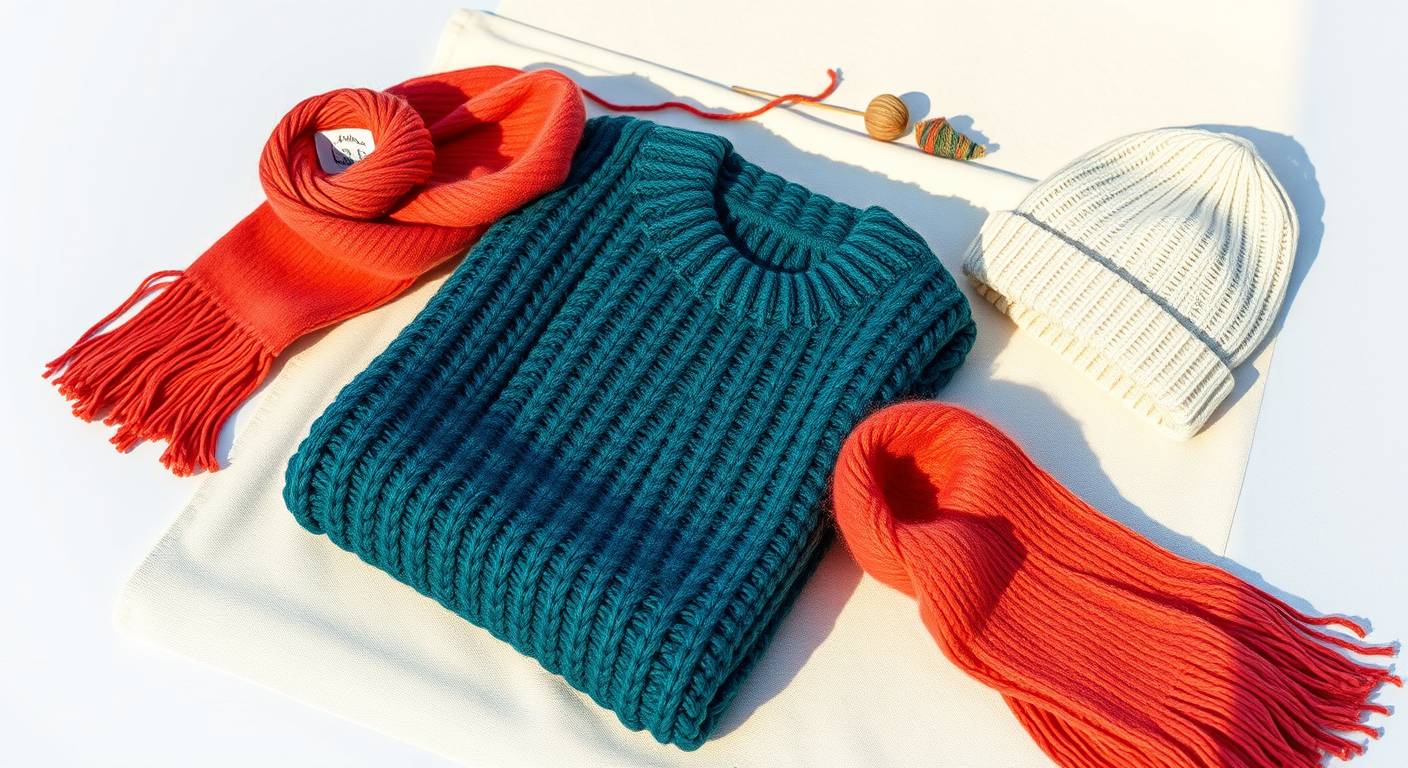 2) Is woolrec the same as reclaimed wool?
Woolrec and reclaimed wool overlap, but they aren’t identical. Reclaimed wool is the recovered fiber used again in a new product. Woolrec is often used as a broader label that can include reclaimed wool yarn, blended recycled yarns, shoddy yarn, and felted wool materials. That’s why two woolrec products can feel and perform differently. For reliable buying decisions, focus on measurable facts: fiber percentages, recycled content, realistic care guidance, and whether the construction matches how you will use the item.
3) Does recycled wool pill more than virgin wool?
Recycled wool can pill more because mechanical recycling can shorten fiber length, and shorter fibers loosen at the surface more easily. Products made with shoddy yarn can vary widely depending on sorting quality and construction. You can reduce pilling risk by choosing tighter knits, stronger weaves, and durability-focused builds. Care also matters. Heat and friction increase fuzz and pilling. If low pilling matters to you, prioritize structure, yarn quality, and realistic care instructions over vague “premium recycled” claims.
4) What can woolrec be used for besides clothing?
Woolrec can support many uses beyond clothing because wool textile recycling doesn’t always return perfect spinning fiber. Recyclers often produce felted wool and other nonwovens for padding, panels, insulation batts, stuffing, and industrial applications. These uses tolerate shorter and mixed fibers better than fine apparel yarn. For performance, look for thickness and density details in felted wool panels and practical guidance on moisture behavior in insulation products. Those specs drive outcomes more than generic sustainability language.
5) How do I recycle wool clothing at home?
Wool recycling at home starts with prep. Clean and dry the item fully, then separate pure wool from heavy blends and lined garments. Remove obvious non-textile parts when possible, and avoid sending items with mold, oil, or harsh chemical odors. Elastane-heavy stretch items, bonded fabrics, and glued linings often get rejected in wool textile recycling streams. If you can’t find a recycler that accepts your items, reuse still beats landfill—repair, donate, or repurpose. Clean sorting improves outcomes.
6) What should I look for when buying woolrec products?
When buying recycled wool products, treat proof as the product. Check recycled content percentage, full fiber mix, and whether the recycled input is pre-consumer or post-consumer. Look for realistic care instructions and any durability guidance related to pilling, shrink, or abrasion. Then match the build to your use case. If you want circular textiles that reduce waste, durability must be part of the design. A product that fails quickly forces replacement buying and undercuts the value of recycled wool.
Conclusion
Woolrec is useful as a search term because it usually points to recycled wool, but it is not a quality guarantee on its own. What matters is what the product actually is—reclaimed wool yarn, shoddy yarn, felted wool, or a recycled blend—and whether the maker clearly discloses fiber mix, recycled content percentage, and realistic care requirements.
If you buy for durability and match the material to the job, woolrec products can support wool recycling and circular textiles without wasting money or creating early replacement waste. Use the same rule every time: trust measurable details, not slogans, and you’ll avoid the most common failures—greenwashed claims, weak construction, and recycling loads that get rejected.
This is the post people talk about after they read it



2 thoughts on “Woolrec Guide: How Recycled Wool Works and Performs”